

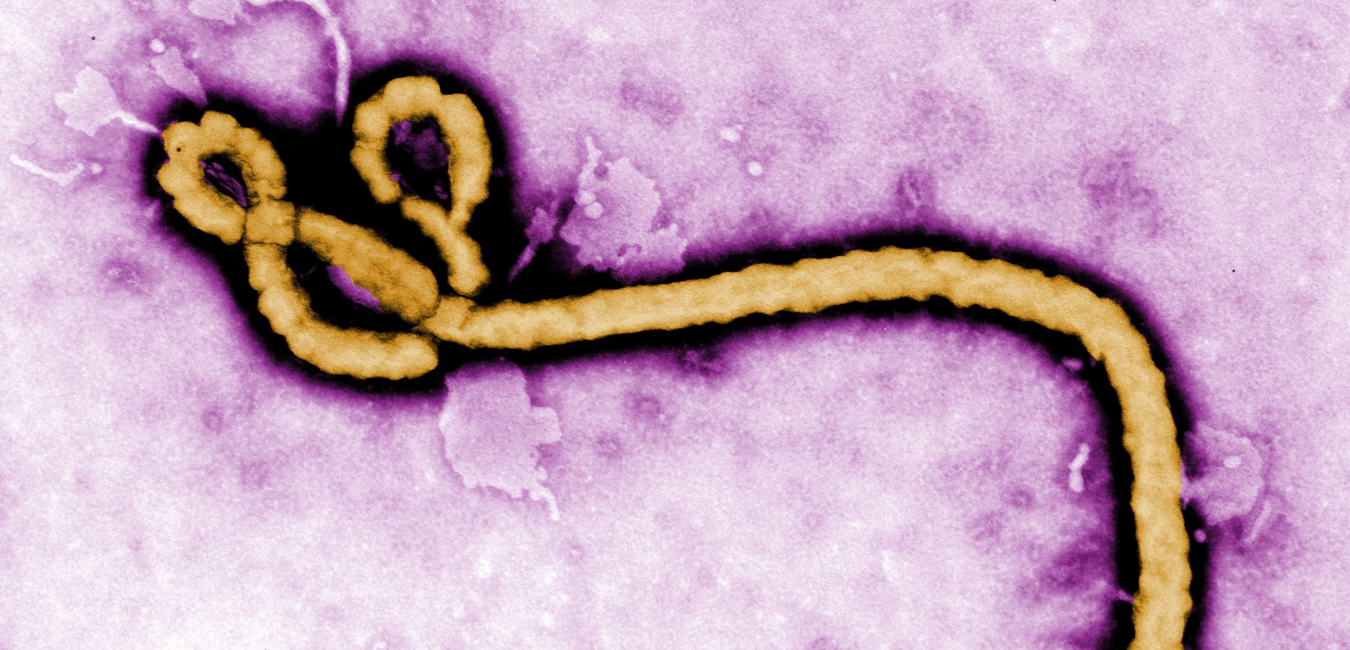
French health authorities confirmed on June 24 the first case of Ebola virus disease in the country.
The patient, a physician who had returned from a humanitarian mission in one of the Ebola-affected areas of the Democratic Republic of the Congo (DRC), was immediately isolated and admitted to a specialized healthcare facility. The patient is reported to be in stable condition.
All precautionary measures were taken upon the patient’s arrival in France, including transfer to a hospital under secure medical conditions to prevent any risk of transmission.
An epidemiological investigation is underway to identify people who may have been in contact with the patient. Identified contacts will be monitored for 21 days following their last known exposure.
French health officials say the risk to the general European population remains very low.
The case is linked to the ongoing Ebola outbreak in the DRC, which was declared on May 15. The outbreak is caused by Bundibugyo virus, one of the Orthoebolavirus species. There is currently no approved vaccine or specific treatment for Bundibugyo virus disease.
#Communiqué | Ebola : identification d’un 1er cas chez un médecin humanitaire de retour de mission en République démocratique du Congo (RDC)
Le ministère de la Santé, des Familles, de l’Autonomie et des Personnes handicapées confirme ce jour l’identification d’un premier cas… pic.twitter.com/OL3ILA0MCp
— Ministère de la Santé (@Sante_Gouv) June 24, 2026
According to the Congolese Ministry of Health, 1,094 confirmed cases and 277 deaths have been reported in the outbreak.
The outbreak, centered in eastern DRC, has affected the provinces of Ituri, North Kivu, and South Kivu. The CDC says the outbreak was first identified after a hospital in Bunia Health Zone reported a cluster of severe illnesses among healthcare workers.
Ebola disease is spread through direct contact with the blood or body fluids of a person who is sick with or has died from the disease, or through objects contaminated with infected body fluids.
The incubation period ranges from 2 to 21 days. Early symptoms include fever, fatigue, muscle pain, headache, and sore throat, which can progress to vomiting, diarrhea, rash and, in some cases, bleeding.
People are not considered infectious before symptoms begin.