


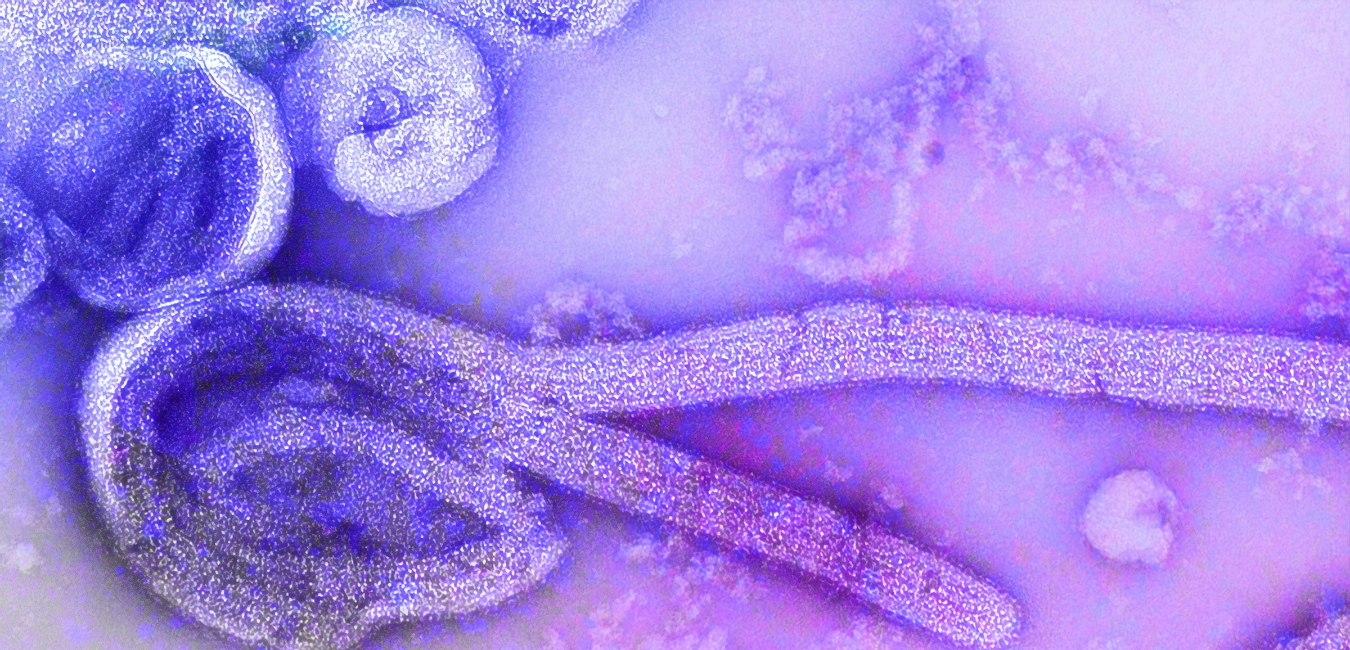
At least 1,274 confirmed Ebola cases and 360 deaths have been reported in eastern Democratic Republic of Congo, health agencies say — part of a regional toll that now stands at 1,295 confirmed cases and 362 deaths across DR Congo, Uganda and France.
It is caused by Bundibugyo – a rarer Ebola species with no licensed vaccine or approved treatment.
No licensed vaccine for Bundibugyo Ebola
All three of the affected provinces lie in DR Congo’s east. Ituri is by far the worst hit, with 1,165 confirmed cases spread across 23 health zones; North Kivu has reported 106 cases across 11 health zones, while South Kivu has recorded three cases in a single health zone.
In one daily update alone, the European Centre for Disease Prevention and Control,citing DRC health authorities, said the latest DRC report included 47 new confirmed cases and 12 new deaths. A previously unaffected health zone – Mandima in Ituri – was added to the outbreak map on 27 June.
DR Congo declared the outbreak on 15 May, after its national reference laboratory confirmed Bundibugyo virus in samples from suspected cases. By 22 June, confirmed cases had passed 1,000 – placing this outbreak third in the historical record, according to the US Centers for Disease Control and Prevention. WHO declared the outbreak a PHEIC on May 17, two days after DRC and Uganda declared outbreaks.
Cases beyond DR Congo
Uganda had recorded 20 cumulative confirmed cases as of 30 June, its health ministry said – 15 brought in from DR Congo and five from local transmission, with two deaths. All 821 contacts have completed their 21-day checks.
France has also confirmed a case – a doctor who returned from DR Congo and a US citizen was evacuated to Germany for treatment in May. The CDC rates the risk to Americans as very low and says no cases have been confirmed in the country.
The disease passes from person to person through direct contact with blood, secretions or organs of someone who is infected, or through contaminated surfaces. Symptoms can appear anywhere from two to 21 days after exposure.
Also Read: Ebola Outbreak Could Cost Africa Up to $3.6bn, UN Warns
Race for a vaccine
Scientists are racing to develop vaccines and test medical countermeasures. CEPI said it is backing three vaccine candidates – from IAVI, Moderna and the University of Oxford working with the Serum Institute of India – covering clinical trial preparation, development and manufacturing.
In Bunia, DR Congo’s National Institute of Public Health has opened a clinical trial to test an antiviral against the disease, with the University of Oxford, the WHO and the National Institute for Biomedical Research all involved.
DRC presidency says the response plan is budgeted at $319 million, with $20 million released urgently. A separate six-month continental plan from the WHO and Africa CDC puts the wider price tag at $518m – covering surveillance, laboratory testing, clinical care and logistics.
“Ebola moves fast. Africa must move faster,” said Africa CDC director-general Jean Kaseya.
WHO director-general Tedros Adhanom Ghebreyesus said containing the outbreak depended on “political commitment, sustained financing” and community trust.